
Student Research for Action
From 2003 to 2006, with support from the Bill & Melinda Gates Foundation, WKCD helped students and teachers nationwide conduct ambitious “action research” projects targeting critical education and community issues. Here are six of their stories.
Each story opens as a PDF.
-
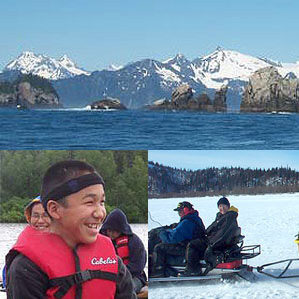
Outside Is Our School: Yupik Eskimo Youth Embrace Subsistence Living and Renew Community
The riverbank echoes with the sounds of a giant bell: people are hitting the bottoms of their aluminum boats with wooden clubs, to scare the salmon into drifting gill nets. Eighteen year-old Art Vaska and his younger brother Carl have caught six king salmon so far, gracefully detangling wet nets and extracting the huge silver fish. The brothers are skilled hunters and fishermen in the Yupik Eskimo tradition — a native subsistence culture dating back thousands of years. And at Russian Mission School, the one public school in their remote Alaskan village, they are beginning to link traditional ways with classroom learning.
-

Deaf Students Teach Restaurants to Serve with Respect
When six-foot tall basketball player Aaron, 15, steps up to the McDonald's counter to order a Big Mac, he gestures at his ear, shakes his head, and points at the roll of receipt paper in the cash register. In the next line over, Jenny, 18, points at the items for sale on the lighted board. Alex Jacobsen, 16, theatrically mimes licking an ice cream cone. Their cashier laughs nervously and repeats, "Can I take your order?" several times. These scenarios, and those like them, are the subjects of study by these three students at Minnesota North Star Academy. They conducted in-depth survey research on the experiences of deaf customers in fast food restaurants.
-

Student Video Celebrates San Francisco History, Challenges High-Rise Development Plan
The Build San Francisco Institute looks like a busy architecture firm: light and airy, blueprints are spread over a conference table; a small group is researching city demographics at a station of computers. But these twelve engaged workers are not architects—they're sophomores, juniors, and seniors in high school. Their video about the Rincon Hill Re-Development Plan asks a complex question: Should market forces alone dictate the supply of residential housing in SF south of Market Street? (The answer, alas, proved to be “Yes.”)
-
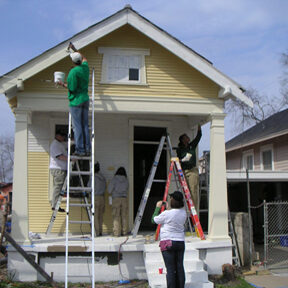
Katrina as a Classroom: New York City Youth Help Storm Victims Rebuild New Homes
Early in the morning in the muggy Southern light, 23 kids from New York City donned white chemical-protection suits and facemasks. They were about to do research in a whole new way: to put their bodies and minds to work in the Katrina disaster zone, and simultaneously, to investigate the racial and political landscape that created it. They arrived on the scene with the hypothesis that individuals can — and must — build a better society. After eight days of life-changing work, they left with certain proof.
-
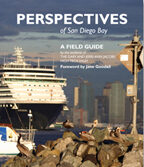
Making a Guide to Their Bay: San Diego Students Explore Deeper Perspectives
Holding a meter-square contraption made of white PVC pipes, a few students crouch over a patch of tide-washed sand, counting the limpets and barnacles they find within the transect. Up the shore, classmates are using a laser leveling device and a pole to measure off the tide's height at regular intervals. Like the explorers who sailed into this bay 300 years ago, 56 students at High Tech High in San Diego have discovered a new world in their urban neighborhood, where land meets sea — and where schoolwork actually matters. They’ve brought their work to the public in a striking field guide, Perspectives of the San Diego Bay.
-
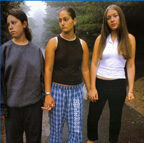
Change Your Mind, Not Your Body: Teens Help Teens Prevent Eating Disorders
This mission might be daunting at any high school—much less an affluent suburban one such as Sehome, where image and appearance are passports to peer acceptance. But Kristen, Kelly, and ten other sophomores at Sehome were motivated by the idea that teens teaching teens can transform even hidden problems. What is a positive body image, exactly? Kelly Staves, 16, explains: “It’s accepting that you may not be perfect, but you are who you are. Finding things to like about your body, rather than being critical of it. It’s getting healthy and being aware of eating disorders.”