
2001–2016
Feature Stories
For 15 years, virtually every month, WKCD posted a story about adolescents engaged in “powerful learning with public purpose.” In the end, we wrote and published over 300 stories. Here is a handful, chosen largely at random.
-
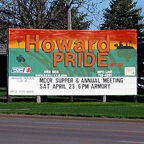
Small Towns, Big Dreams
Dwindling populations, disappearing jobs, and declining industries have left these small towns struggling. Yet a new energy is emerging as young people step forward to shape their communities’ futures. They know first-hand their community’s challenges and possibilities. Their goal is simple: to create opportunities that allow them to remain in their hometowns and to contribute meaningfully.
“Adults, please don’t see us as part of the problem. Make us part of the solution.”
-
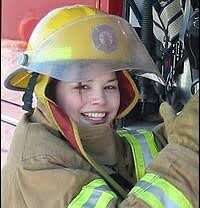
Dragon Slayers: Young Alaskan Olympians
In 2001, a team of teenage girls became instant heroes when two of its members—19 and 15 at the time—helped with the marathon rescue of two boys who had collided on snowmachines. The call took 34 hours. The girls had become volunteer firefighters and EMTs in their remote Alaskan village, Aniak. They called themselves the “Dragon Slayers.” In the decades since, the team has continued to make emergency medical and rescue calls, 24/7, up and down the Kuskokwim River Valley.
-
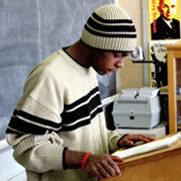
Baltimore’s Urban Debaters Prove Words Are Mightier than Swords
At 8 a.m. on a cold Saturday, while their friends sleep, Forest Park High School seniors Chris and Dayvon are surrounded by newspapers and debate outlines, meticulously preparing their arguments for an upcoming Baltimore Urban Debate League match. The BUDL gathers 200 students from 27 inner-city high schools to participate in the fine, time-tested sport of competitive argument.
“Living in an urban community fosters a different outlook on the whole world.”
-
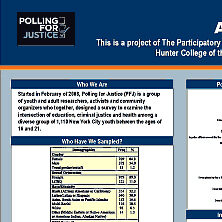
Guns, Germs & Schools
In a theatrical presentation, young researchers challenged a pompous academic’s conclusions about urban adolescents, replacing them with their own findings. The performance culminated a two-year, youth-led Polling for Justice study, part of the City University of New York’s Public Science Project. Working with university organizations, teens investigated conditions shaping their lives.
“Young people don’t need degrees or textbooks to be experts on their own experiences.”
-
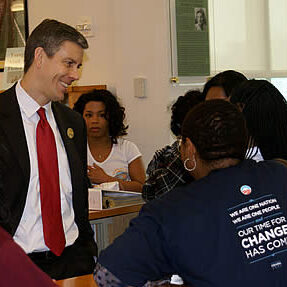
Political Power: Chicago’s Mikva Challenge
A few days after Barack Obama’s election in November, a group of young people from his hometown gathered on the campus of DePaul University, excitedly discussing their plans to improve the city’s policies toward youth violence. They were not a college activist organization but part of Mikva Challenge, founded in 1997 by a trio of leading activists. About 4,800 young people in about 75 schools participate in one of the organization’s programs.
“It has given me a chance to be heard and understood.”
-
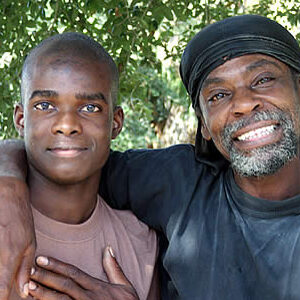
Everyone Has a Story to Tell: The Faces of Homelessness
Living paycheck to paycheck can mean impossible choices: rent or medication, lunch or dinner, a phone or a car. Nineteen-year-old Shardy Camargo knows the struggle. After her mother lost her minimum-wage job, they became homeless, joining millions of Americans without secure housing. “I thought it was normal,” remembers Shardy. Back on her feet, she volunteered at Orlando’s Coalition for the Homeless. With classmates at Maynard Evans High School, she launched a multi-year project documenting the stories of Orlando’s homeless through print and video.
-
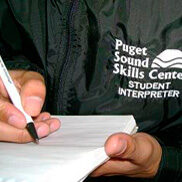
Students Train as Interpreters, with Benefits to All Involved
On a fall morning in this community outside Seattle, most of the people waiting in line at the local food bank were elderly immigrants from Ukraine. From her post near the front desk, Valentina, a local high school senior, spotted a woman hunched in frustration, struggling to understand a food-bank staffer’s repeated instructions. With little hesitation, she stepped in. “I’ve been in that position myself,” recalls Valentina, herself a Russian immigrant. Valentina’s experience as a newcomer served her well, but an unusual program at the Puget Sound Skills Center has served her even better.
-
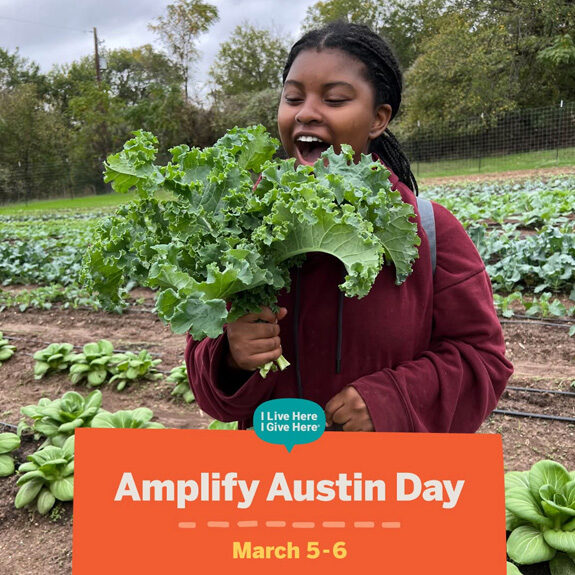
Urban Teenagers Grow 25,000 Pounds of Organic Produce to Relieve Hunger
Hidden among industrial sites and waste dumps in east Austin, Texas, Urban Roots Farm offers young people a chance to learn sustainable agriculture while addressing hunger. Students, primarily from the historically segregated east side, work seven-hour days growing organic fruits, vegetables, and flowers. They earn a $40 daily stipend and donate their produce to people experiencing poverty. For intern Mathew, a high school football player, the real reward goes beyond money: “Helping feed hungry Austinites.”
-
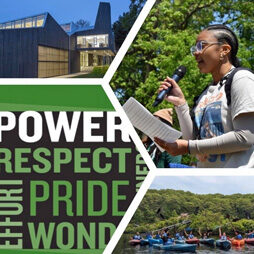
Common Ground High School: A Decidedly Uncommon School
For as long as she can remember, tenth-grader Shantel has wanted to be a vet. Now she is counting the hours until her afternoon assignment: shadowing a livestock veterinarian who has come to check the health of the goats, sheep, and chickens that Shantel helps tend at Common Ground High School. Four miles from downtown New Haven, students like Shantel are being swept up and away by one of the first and finest environmentally focused schools in the United States. It’s no surprise that Common Ground, a charter school with a most public mission, wins awards for being “green” while also galvanizing impressive levels of academic achievement.